Best Soup Thermoses for Hiking: 9 Picks in 2026

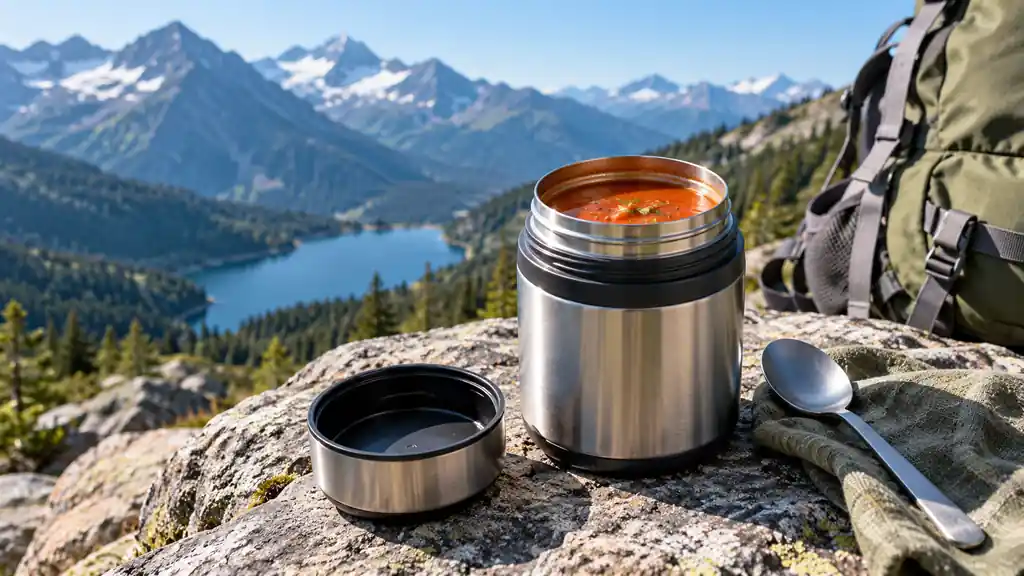
A steaming bowl of soup can feel like a small luxury halfway up a trail, especially when the wind is sharp and lunch has been sitting in a pack since sunrise. The best soup thermoses for hiking make that moment easier by carrying ready-to-eat food without requiring a stove, fuel, or a long pause beside the trail. For this use, an insulated food jar or flask is usually more practical than an electric warmer because it relies on vacuum insulation rather than an outlet or battery.
Capacity, opening size, leak resistance, and insulation claims matter more than flashy styling. A narrow bottle may be awkward for chunky chili, while a large two-liter flask can become an uncomfortable load on a steep route. Buyers also need to distinguish a true food jar from a beverage thermos, since soup is easier to fill and eat from a wide opening. Some hikers prioritize a compact lunch portion, others need food for two people, and ultralight backpackers may care more about weight than heat retention.
The products below range from compact Stanley food jars to larger flasks and one very light titanium pot that is better understood as a cooking alternative than a thermos. The Stanley Classic Food Jar and Spork earns the strongest overall position because its 14-ounce format, wide mouth, integrated utensil, leak-resistant construction, and stated 12-hour insulation claim fit a typical day hike especially well.
Quick Answer
- Best Overall: STANLEY Classic Food Jar and Spork, 14 oz for a compact soup serving with an included utensil.
- Best Large-Capacity Flask: BLACK + BLUM Explorer Flask Duo for sharing soup or carrying a larger amount on group outings.
- Best Lightweight Alternative: Evernew Titanium 900ml Mug Pot for hikers who plan to cook soup at camp, although it does not provide thermos-style insulation.
Best Soup Thermoses for Hiking Comparison Table
| Product | Best For | Capacity | Opening or Lid Design | Insulation Information |
|---|---|---|---|---|
| STANLEY Classic Food Jar and Spork | Single-serving day hikes | 14 oz | Wide mouth, screw-on lid, integrated spork | Hot or cold up to 12 hours, stated claim |
| Stanley Classic Legendary Food Jar | Compact soup lunches | 0.4 L | Wide mouth, pressure-release valve, spork | Hot or cold up to 7 hours, stated claim |
| BLACK + BLUM Explorer Flask Duo | Sharing soup outdoors | 1 L | Screw lid, wide spout, two steel cups | Hot or cold up to 24 hours, stated claim |
| Cummins 2-Liter Insulated Bottle | Large group capacity | 2 L | Double-seal lid, handle, optional strap | Hot or cold up to 24 hours, stated claim |
| STANLEY Classic Legendary Thermos Flask | Soup and drinks on long outings | 0.59 L | Large opening, leak-proof multipurpose lid | Hot or cold up to 18 hours, stated claim |
| Insulated Stainless Steel Bottle, 350ml | Small portions and short hikes | 350 ml | Leak-proof lid with carrying charm | Dual-temperature insulation, duration unspecified |
| Insulated Stainless Steel Bottle, 500ml | Moderate portions | 500 ml | Leak-proof lid with carrying charm | Dual-temperature insulation, duration unspecified |
| Evernew Titanium 900ml Mug Pot | Cooking soup at camp | 900 ml | Folding handle and volume markings | No vacuum insulation listed |
| STANLEY Classic Food Jar, 24 oz | Large individual servings | 24 oz | Wide mouth, screw-on leak-resistant lid | Double-wall vacuum insulation |
The detailed reviews explain how each container fits trail meals, pack space, serving size, and the practical difference between carrying hot soup and cooking it outdoors.
1. STANLEY Classic Food Jar and Spork, 14 oz : Best Overall

A 14-ounce food jar lands in a useful middle ground for hiking. It can hold a hearty cup of tomato soup, lentil soup, chili, or stew without turning a day pack into a lunchbox. The wide mouth is especially helpful after a bumpy climb, since a spoon can reach the bottom and thicker food is less likely to clog the opening. The included stainless steel spork also means there is one less loose utensil rattling around beside the map and water filter.
Its double-wall vacuum insulation is listed as keeping food hot or cold for up to 12 hours, though actual retention depends on starting temperature, fill level, ambient conditions, and how often the lid is opened. The screw-on lid is described as leak-resistant, and the stainless steel construction is intended for repeated use. For a hiker who fills the jar before leaving home and eats several hours later, the combination feels thoughtfully matched to the task rather than oversized for it.
Pros
- Compact 14-ounce capacity suits a single trail meal.
- Wide mouth makes filling, eating, and cleaning more convenient.
- Integrated stainless steel spork reduces loose gear.
- Double-wall vacuum insulation is listed for up to 12 hours of hot or cold retention.
- Leak-resistant screw-on lid and stainless steel construction support pack use.
Cons
- 14 ounces may be limiting for a large appetite or shared meal.
- The listing describes the lid as leak-resistant, so it should still be kept upright when possible.
This is the strongest fit for solo day hikes, school-to-trail lunches, and anyone who wants soup ready without stopping to boil water. It is less suitable for a group or a long outing that requires multiple servings. Preheating the jar with hot water before filling may help reduce initial heat loss, but hikers should still follow safe food-handling practices and avoid assuming the container guarantees a safe internal temperature throughout the day.
To buy this product, click here.
2. Stanley Classic Legendary Food Jar 0.4L : Best for Easy Opening

This 0.4-liter Stanley food jar is close in size to the top pick, making it a natural choice for a compact soup lunch. Its wide opening allows thick soup, rice dishes, and stews to go in without the awkward funneling that narrow drink bottles often require. A pressure-release valve is listed on the lid, which can make opening a jar of hot food less stubborn after it has been sealed and carried for several hours.
The stated hot-or-cold retention period is up to seven hours, shorter than the claim for the 14-ounce version. That distinction matters for hikers who leave before dawn and eat late in the afternoon. The attached spork keeps the setup tidy, while the listing describes every piece as dishwasher safe. This is a practical option for a lunch loop, a commute that ends at a trailhead, or a family outing where simple cleanup matters as much as insulation.
Pros
- 0.4-liter capacity works well for a personal soup serving.
- Wide mouth supports easier filling and eating.
- Pressure-release valve may make the lid easier to open after hot filling.
- Integrated stainless steel spork stays with the container.
- Product information lists dishwasher-safe construction.
Cons
- Its stated seven-hour retention period is shorter than some alternatives here.
- The compact capacity may feel small for a full-day outing or substantial stew portion.
Choose this jar if opening convenience and straightforward cleanup rank high on your list. It makes sense for hikers who eat within several hours of packing their meal and want a familiar food-jar shape. Those planning an overnight trek or a late meal should pay closer attention to the stated retention window and prepare the soup accordingly rather than treating the time claim as a guarantee under every trail condition.
To buy this product, click here.
3. BLACK + BLUM Explorer Flask Duo : Best for Sharing

The Explorer Flask Duo takes a different approach to trail soup. Its one-liter capacity is substantially larger than a personal food jar, and the package includes two stainless steel cups that attach to the flask. That arrangement suits a pair of hikers who want to share soup, broth, or a hot drink at a viewpoint. The wide spout should also make pouring cleaner than trying to tip soup from a narrow-neck beverage bottle into a separate mug.
The product information describes double-walled 304 stainless steel, an airtight screw lid, and hot-or-cold retention for up to 24 hours. Those are useful features for a long day outdoors, though the flask is still a pour-and-serve container rather than a spoon-in food jar. Chunky ingredients may be less convenient than smooth soup, and the total setup takes more room than a compact individual container. The ribbed body and removable nylon strap add carrying flexibility when the flask is outside a backpack.
Pros
- One-liter capacity is suitable for sharing or carrying multiple servings.
- Two included stainless steel cups support serving on the trail.
- Wide spout is useful for pouring and adding larger ingredients.
- Product information lists double-walled 304 stainless steel construction.
- Stated hot-or-cold retention is up to 24 hours.
Cons
- Pouring from a flask is less convenient for chunky soup than eating from a wide food jar.
- The larger capacity and included cups add bulk compared with a single-serving thermos.
This is a strong choice for two people sharing a scenic lunch or for a hiker who prefers soup that can be poured into a cup. It is less appealing for ultralight solo trips, where the extra capacity and serving pieces become unused weight. Pack it where the strap and ribbed body are easy to access, and check that the lid is fully tightened before placing the flask among clothing or sleeping gear.
To buy this product, click here.
4. Cummins CMNTHERMOSBK 2-Liter Insulated Bottle : Best for Group Capacity
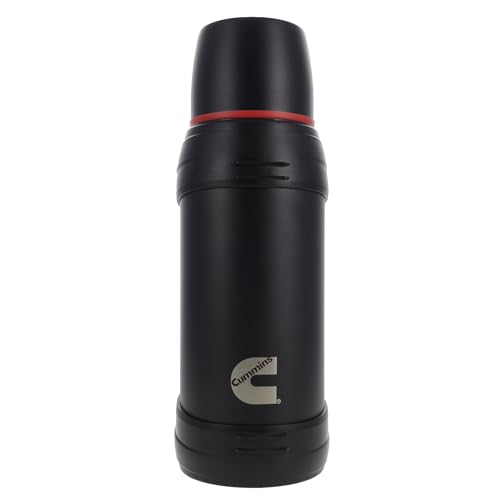
A two-liter flask is a serious amount of soup for a trail. It may suit a group picnic, a basecamp lunch, or a short outing where one person carries food for several people. The listed handle and optional strap make the capacity easier to move from a vehicle to a campsite, while the rugged neck and bottom bumpers are aimed at handling rougher transport than a delicate kitchen carafe.
The double-seal design is described as leakproof, and the listing states hot-or-cold performance for up to 24 hours. Those claims are useful context, but the large format creates a clear tradeoff: two liters of liquid soup can be heavy before the flask itself is added. The product is also described as a water bottle, so the opening and eating experience may be less natural for thick soup than the wide-mouth food jars in this guide.
Pros
- Two-liter capacity can support a group meal or basecamp use.
- Double-seal construction is described as leakproof.
- Handle and optional strap provide two carrying methods.
- Neck and bottom bumpers add protection during transport.
- Stated hot-or-cold retention is up to 24 hours.
Cons
- Two liters creates a substantial load for a backpacking route.
- Its bottle-oriented design may be less convenient for spooning out thick soup.
Pick this flask for capacity first, especially if the outing involves a group and a short carry from a car or campsite. It is a poor match for hikers counting every ounce on a long ascent. Before packing it, think through how the soup will be served, since a separate bowl or cup may be necessary. The size also makes careful sealing and upright packing worthwhile despite the listed leakproof design.
To buy this product, click here.
5. STANLEY Classic Legendary Thermos Flask, 0.59 L : Best for Long Outings

The 0.59-liter Stanley flask gives a hiker more room than a single-serving food jar without jumping into the weight and bulk of a two-liter container. Its stated capacity can accommodate a generous personal portion of soup, a couple of smaller servings, or soup plus a hot drink depending on the meal. The large opening is useful for filling and may make cleaning less frustrating than it would be with a narrow beverage bottle.
The published product information claims hot or cold retention for up to 18 hours and describes a leak-proof multipurpose lid. It also identifies 18/8 stainless steel, BPA-free materials, and top-rack dishwasher cleaning. Those details make the flask versatile for hiking, commuting, and travel. It remains a flask rather than a dedicated spoon-friendly food jar, so the best experience may come from smooth soups or from carrying a lightweight cup for serving.
Pros
- 0.59-liter size offers more meal capacity without reaching group-flask proportions.
- Stated hot-or-cold retention is up to 18 hours.
- Large opening simplifies filling and access.
- Product information lists 18/8 stainless steel and BPA-free materials.
- Top-rack dishwasher cleaning is listed for the components.
Cons
- A flask shape is less convenient for eating chunky soup directly.
- A separate cup or bowl may be useful for serving on the trail.
This model fits hikers who leave early, eat late, and want a versatile container that can carry more than a small lunch jar. It is also a sensible choice for people who alternate between soup, tea, and coffee. Skip it if direct spoon access is your main priority. In that case, the wider food-jar designs above provide a more natural meal setup, even when their capacities are smaller.
To buy this product, click here.
6. Insulated Stainless Steel Bottle, 350ml : Best for Small Portions

The 350-milliliter format is aimed at the hiker who wants a small portion rather than a full meal. It can work for broth, a child-sized serving, or a modest snack on a short walk where a large food jar would feel excessive. The listed carrying charm or handle adds a convenient grab point, especially for a lunch bag or a short trail outing where the container may be carried separately from a full backpack.
The product information describes food-grade stainless steel, odor and stain resistance, a secure leak-proof lid, and insulation for hot or cold contents. It does not provide a specific retention duration, so buyers should avoid comparing it directly with products that list seven, 12, 18, or 24 hours. The bottle can also carry solid food, although the narrow, bottle-like format may make thick or chunky soup harder to remove cleanly.
Pros
- 350ml capacity keeps the meal compact and manageable.
- Food-grade stainless steel is listed for the construction.
- Secure leak-proof lid supports transport in a bag.
- Carrying charm or handle makes the small bottle easy to grab.
- Product information describes use for soup, drinks, and solid food.
Cons
- No specific hot or cold retention duration is provided.
- Small opening and 350ml capacity limit thick meals and larger portions.
This bottle makes sense for a short hike, a child’s lunch, or a hiker who prefers a little soup alongside sandwiches and fruit. It is less suitable for a full-day trek where calories and hydration needs are higher. Use smoother soup when possible, and bring a small spoon or cup if the opening does not provide enough room for comfortable eating.
To buy this product, click here.
7. Insulated Stainless Steel Bottle, 500ml : Best for Moderate Portions

The 500ml version gives the same general bottle format as the smaller option while adding useful meal capacity. That extra room can be the difference between a snack portion and a proper cup of soup on a day hike. The polished stainless steel body is described as suitable for hot drinks, soup, and solid food, and the attached charm or handle gives it a casual carry option for school, commuting, or a trailhead picnic.
Its insulation is described in broad dual-temperature terms, but no precise holding period appears in the supplied information. That makes this product harder to match to a specific sunrise-to-lunch schedule than the Stanley jars with stated durations. The secure lid is useful for pack transport, while the bottle shape remains better suited to smooth soup than chunky stew that must be scraped from the bottom.
Pros
- 500ml capacity suits a moderate personal soup portion.
- Stainless steel construction is described as resistant to odors and stains.
- Leak-proof lid supports carrying food in a backpack or lunch bag.
- Listed uses include hot drinks, soup, and solid food.
- Carrying charm or handle provides a simple grab point.
Cons
- The product information does not state a specific retention duration.
- Bottle styling may make thick soup less convenient to eat directly.
This is the more useful choice between the two small charm-handle bottles for hikers who want a reasonable lunch portion without moving to a larger flask. It suits moderate day hikes and everyday carry. Buyers who need documented long-duration insulation or a wide spoon-friendly opening should choose a dedicated food jar instead, since the available information does not establish those features here.
To buy this product, click here.
8. Evernew Titanium Lightweight Camping Mug Pot, 900ml : Best for Cooking Soup at Camp

This Evernew product needs a clear distinction: it is a lightweight camping mug pot, not an insulated soup thermos. Its role is to let a hiker heat water or prepare soup at camp with a stove, rather than carry hot soup from home and expect vacuum-style heat retention. The 900ml capacity, folding handle, internal volume markings, and nesting space for a gas cartridge make it relevant to hikers who prioritize a compact cooking kit.
At a listed weight of 99 grams, the titanium pot is dramatically lighter in concept than the insulated containers in this guide. It includes a stuff sack, and the bottom ridge is described as matching the diameter of an Evernew DX stand. Those details may appeal to minimalist backpackers, but the product data does not list vacuum insulation, a leakproof lid, or a heat-retention duration. Soup must be cooked or reheated at camp, and the pot will require a stove and suitable fuel setup.
Pros
- Listed weight of 99 grams supports an ultralight cooking setup.
- 900ml capacity can accommodate a camp meal or hot drink preparation.
- Folding handle helps with packing and handling over a stove.
- Internal volume markings assist with measuring water.
- Nesting space and included stuff sack support compact storage.
Cons
- It does not provide the passive insulation of a soup thermos.
- A stove and fuel are required to heat soup at camp.
Select this pot only if your hiking routine includes cooking at camp and the low weight matters more than carrying a ready-made meal. It should not replace a food jar for a no-cook day hike. The distinction is simple but important: an insulated thermos holds food that has already been heated, while this titanium pot is part of a cooking system. That makes it a useful specialized alternative, not a direct match for the primary keyword.
To buy this product, click here.
9. STANLEY Classic Food Jar, 24 oz : Best for Large Individual Servings

The 24-ounce Stanley food jar is for hikers who view soup as the main event rather than a small side. Its larger capacity can handle a substantial serving of chili, stew, oatmeal, or thick soup, and the wide mouth is more practical for eating with a spoon than a narrow drink flask. The double-wall vacuum insulation is intended to limit the effect of outside temperatures on the food, while the screw-on lid is described as leak resistant for travel.
That capacity comes with a predictable tradeoff. A full 24-ounce container adds the weight of the food and liquid to the weight of the jar, which may be fine for a short walk, picnic, or basecamp but excessive on a long uphill route. The product information lists 18/8 stainless steel, BPA-free construction, and a lifetime warranty for products purchased from Stanley resellers. It is a strong food container, but the pack space and carried weight deserve an honest look before choosing it for distance hiking.
Pros
- 24-ounce capacity supports a large individual meal.
- Wide mouth works well for filling and spoon access.
- Double-wall vacuum insulation helps limit outside temperature effects.
- 18/8 stainless steel and BPA-free construction are listed.
- Leak-resistant screw-on lid supports transport.
Cons
- Full capacity adds considerable food and container weight to a hiking pack.
- Larger size requires more storage space than compact food jars.
This jar is a good match for day hikers with larger appetites, families sharing from one container, and outings where the vehicle or trailhead is close. It is less persuasive for ultralight backpacking, where the 14-ounce Stanley or a smaller container may deliver enough food with less bulk. Pack the jar upright and leave enough room around the opening to eat comfortably without spilling soup onto gloves or clothing.
To buy this product, click here.
Buying Guide
Choose a Food Jar or Flask Based on How You Eat
A wide-mouth food jar is usually the easiest format for soup because it allows a spoon to reach the bottom and makes thick food easier to remove. A flask with a spout works better for pouring smooth soup into a cup, especially when two people are sharing. Think about the lunch scene on your route: sitting on a rock with a spoon favors a food jar, while passing servings around a campsite favors a flask with cups.
Match Capacity to the Route
Small containers around 350ml to 500ml suit short hikes, children, and modest portions. A 14-ounce or 0.4-liter jar is more appropriate for a compact solo meal. The 0.59-liter and one-liter options offer more flexibility, while a two-liter flask is best reserved for groups or short carries. Liquid food is heavy, so capacity that looks generous on a kitchen counter can feel very different after several miles.
For a daypack, sizing a thermos for a packed meal helps you weigh portion volume against the complete carrying load.
Read Retention Claims as Starting Points
The products use different insulation claims. Some list seven hours, 12 hours, 18 hours, or 24 hours, while the smaller stainless steel bottles provide no specific duration. These are product claims, not a guarantee that soup will reach a particular internal temperature in every environment. Starting temperature, fill level, lid openings, wind, cold weather, and container preparation can affect the result. Preheating with hot water may reduce the initial temperature drop, but it does not turn the jar into a food safety device.
Separate Insulation From Cooking
A thermos carries food that has already been heated. It does not automatically cook or safely reheat refrigerated soup. The Evernew titanium pot belongs to a different category because it is intended for stove-based preparation. If you want to leave home with lunch ready, choose an insulated food jar or flask. If your plan is to boil water and prepare a meal at camp, evaluate the pot, stove, and fuel as one complete system.
Check the Opening and Cleaning Details
Soup leaves residue around lids, threads, and seals, particularly when it contains cream, oil, beans, or pasta. Wide openings simplify filling and washing. The Stanley 0.4-liter listing specifically describes dishwasher-safe components, while the 0.59-liter listing identifies top-rack dishwasher cleaning. Do not assume that every insulated bottle or lid can be placed in a dishwasher unless the product information says so, and keep electrical or non-submersible components away from water if a future product uses them.
Plan the Serving Method
A food jar lets many hikers eat directly from the container. A flask may require a cup or bowl, and a two-liter model can be awkward to pass around without one. The BLACK + BLUM set includes two steel cups, which changes how it works on a group outing. For a solo backpacker, those cups may be useful or may feel like extra gear. Decide whether your soup will be spooned, poured, or shared before choosing the container shape.
Best Soup Thermoses for Hiking FAQ
What size soup thermos is best for a day hike?
For one person, 14 ounces to 0.5 liters is a practical starting range. It provides a personal portion without the bulk of a large group flask. Larger appetites may prefer the 24-ounce Stanley jar or the 0.59-liter flask. Capacity should match the route, meal size, and amount of weight you are willing to carry.
Can soup go directly into a food thermos?
Yes, insulated food jars and flasks are intended for carrying prepared food or drinks. Fill the container according to its instructions, close the lid securely, and avoid assuming that insulation guarantees a safe internal temperature for an unlimited period. For longer outings, follow appropriate food-handling guidance and use a container with a retention claim suited to the planned meal time.
Is a soup thermos the same as an electric food warmer?
No. A soup thermos uses passive insulation and does not need an electrical supply. An electric food warmer adds heat but requires a compatible outlet, vehicle connection, battery, or other power source. The products in this guide are primarily passive containers, so they should be filled with food that is already prepared.
What is the advantage of a wide-mouth soup thermos?
A wide mouth makes it easier to add thick soup, beans, noodles, and stew without spilling. It also provides room for a spoon and makes the interior easier to wash. Narrow flasks can work for smooth broth, but they may be frustrating when food settles at the bottom or contains larger pieces.
How can hikers improve soup heat retention?
Preheating the container with hot water before filling can reduce the temperature shock when hot soup enters the jar. Fill it appropriately, close the lid promptly, and avoid opening it repeatedly. These steps may help, but they do not establish a guaranteed internal temperature. Weather, portion size, starting temperature, and insulation design still affect the outcome.
Is the Evernew titanium pot a soup thermos?
No. The Evernew is a 900ml titanium mug pot intended for cooking or heating food with a camping stove. Its low listed weight is attractive for backpacking, but the supplied information does not describe vacuum insulation, a leakproof lid, or thermos-style heat retention. It is a cooking alternative for camp, not a ready-to-eat soup carrier.
Should soup be carried in a two-liter thermos for hiking?
A two-liter container can make sense for a group, basecamp, or short walk from a vehicle. For a long backpacking route, the liquid weight and larger container may be excessive. Most solo hikers will find a smaller food jar easier to pack, carry, and eat from.
Final Verdict
The STANLEY Classic Food Jar and Spork, 14 oz, is the best overall match for most hikers who want ready-to-eat soup on a day trail. Its compact capacity, wide mouth, integrated spork, leak-resistant lid, and stated 12-hour insulation claim address the practical moments that matter when lunch happens beside a windy overlook. The 0.4-liter Stanley is a sensible alternative for similar portions with a listed pressure-release valve and dishwasher-safe design, while the 24-ounce model serves hikers who prefer a much larger meal.
For shared meals, the BLACK + BLUM Explorer Flask Duo brings one-liter capacity and two steel cups, while the Cummins flask offers even more capacity for group or basecamp use. Hikers who value minimal pack weight and plan to cook at camp should look at the Evernew pot, with the clear understanding that it replaces a ready-filled thermos with a stove-based meal system. Match the container to your portion, opening preference, carrying distance, and meal timing. A modest food jar that fits your route is usually more useful than a huge flask that spends the day weighing down your pack.

- Graham
Keeping food warm isn't always as simple as it sounds. From family dinners to large catered events, different settings call for different equipment. Graham Ellis approaches these choices with an eye for the details that matter, including temperature control, serving capacity, ease of cleaning, and overall convenience. His contributions to Best Food Warmers aim to make the buying process less confusing and help readers find solutions that fit the way they serve food.
- Best Soup Warmers: 9 Picks in 2027 October 19, 2026
- Best Infrared Food Warmers: 9 Picks in 2026 October 18, 2026
- Heat Lamp vs. Heat Strip: Which Is Better for Food Warming? October 17, 2026
- Best Heat Lamps for Food: 9 Picks in 2026 October 16, 2026
- Best Commercial Heated Holding Carts: 9 Picks in 2026 October 15, 2026