How to Keep Bread and Tortillas Warm Without Drying Them Out

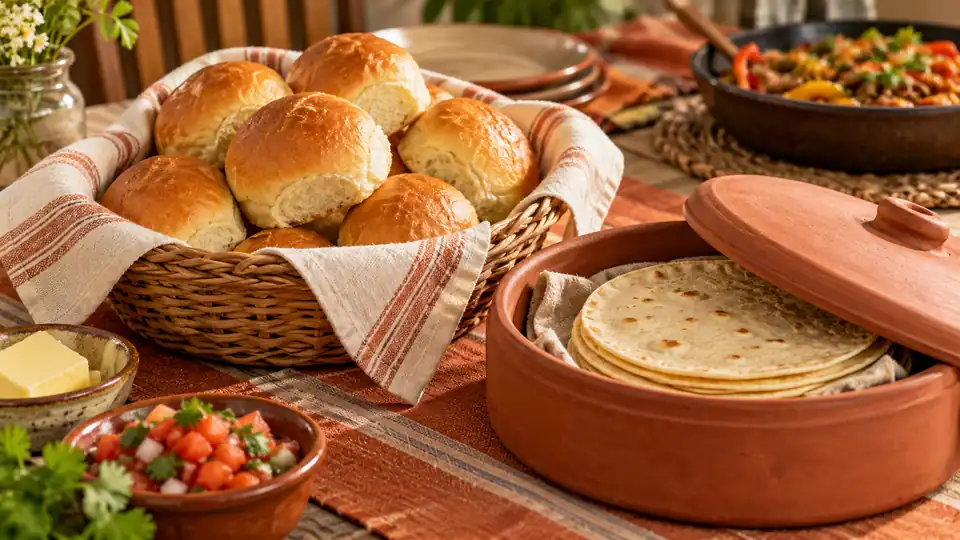
Keep bread and tortillas warm by heating them appropriately before serving, bringing out manageable batches, and choosing a cover that suits the texture you want. A basket of crusty rolls and a stack of soft tortillas need different handling. The serving container helps manage the wait; it does not replace the heating step.
For tortillas, compare tortilla warmers by size and material after checking whether the container is intended for microwave heating, serving, or another specific use. Do not transfer one model’s heating instructions to another material.
Decide Whether the Food Needs Heating or Just Holding
Start with the condition of the food. Bread ready from the oven needs a short serving plan. Cold tortillas may need a separate heating method before they go into a container that only slows cooling.
Some tortilla containers are designed for microwave heating with specified lid positions and times. Others are serving containers. Read the directions for the actual product rather than deciding from its shape or the word warmer.
Likewise, a fabric basket, warming stone, electric basket, and oven-safe vessel do not share the same operating method. Use only the parts and temperatures permitted for the complete setup.
Match the Cover to the Texture
| Food or serving goal | What to plan | What to avoid assuming |
|---|---|---|
| Soft tortillas in a stack | A correctly sized container and the cover arrangement specified for it. | That every lid is suitable for the microwave or every container is oven-safe. |
| Soft bread rolls | A suitable serving basket or vessel with manageable batches. | That a cloth cover provides active heat. |
| Bread with a crisp crust | A serving method that balances the wait with moisture around the crust. | That the tightest, most humid enclosure always gives the preferred texture. |
| Filled breads or wraps | Handling appropriate to the filling as well as the bread. | That plain-bread storage assumptions apply to meat, cheese, or other perishable fillings. |
There is a trade-off between limiting heat loss and trapping moisture. Start with the product’s intended use and the food’s texture rather than looking for one cover arrangement that works for every bread.
Choose a Tortilla Container That Fits the Stack
Check the tortilla diameter against the usable interior and leave space for the lid to fit as intended. A container sized for small tortillas may bend or crowd larger wraps.
Plan around the number that will be eaten between refills. An oversized serving stack can spend longer waiting while guests repeatedly open the container. Keep the next batch in an appropriate preparation or holding arrangement until needed.
If using a microwave-compatible warmer, follow its directions for the food quantity, lid, and heating method. A time printed for one product and microwave is not a universal instruction for every tortilla container.
Set Up Bread for the Table
Have the serving vessel and utensils ready before the bread reaches the table. Leave a stable place for any removable cover and keep cloth away from heating elements or other hot surfaces.
Compare bread warmer formats by whether they add heat or simply provide a serving enclosure. Check the supplied parts and cleaning method, especially when a basket includes a warming insert or stone.
A larger basket is useful only if it fits the pace of the meal. Smaller refills can be easier to manage than putting all the bread out at the beginning and trying to maintain its preferred texture indefinitely.
Coordinate Refills With the Rest of the Meal
Decide who will bring the next batch and where it will wait before serving. Keep used utensils from being mixed into reserve food, and follow suitable handling procedures for any perishable toppings or fillings.
For a mixed menu, use the guide to planning warm food for a party to give each dish an appropriate serving position. Bread, sauces, and a deep casserole do not all need the same equipment.
Do Not Extend the Wait Without a Plan
A covered basket or lidded container does not establish a safe time for every food placed inside it. With filled tortillas or bread containing perishable ingredients, consider the food as a complete dish and follow the relevant temperature-control procedure.
If the meal is delayed, adjust the preparation and serving schedule instead of repeatedly warming an old batch without regard to its handling history. Use a heating method suitable for the food and container when reheating is needed.
Clean and Store the Parts Correctly
Let heated components cool as directed and separate any electrical parts before cleaning. Check whether the lid, basket, liner, stone, and insert have different care instructions.
Dry the parts before storage and inspect for damage that affects handling or closure. A simple routine of suitable heating, small batches, and a well-matched serving container is more useful than expecting one warmer to preserve every bread texture all evening.

- Graham
Keeping food warm isn't always as simple as it sounds. From family dinners to large catered events, different settings call for different equipment. Graham Ellis approaches these choices with an eye for the details that matter, including temperature control, serving capacity, ease of cleaning, and overall convenience. His contributions to Best Food Warmers aim to make the buying process less confusing and help readers find solutions that fit the way they serve food.
- Best Soup Warmers: 9 Picks in 2027 October 19, 2026
- Best Infrared Food Warmers: 9 Picks in 2026 October 18, 2026
- Heat Lamp vs. Heat Strip: Which Is Better for Food Warming? October 17, 2026
- Best Heat Lamps for Food: 9 Picks in 2026 October 16, 2026
- Best Commercial Heated Holding Carts: 9 Picks in 2026 October 15, 2026